
An old repair note can help with a new plumbing project. It can show the part, the fault, the work and the test. A project team can use those facts when it looks at the same space.
These three jobs show what to keep. They were service calls in the Masterline family. They were not Masterline Plumbing build projects.
Example one: keep the faucet test with the repair history
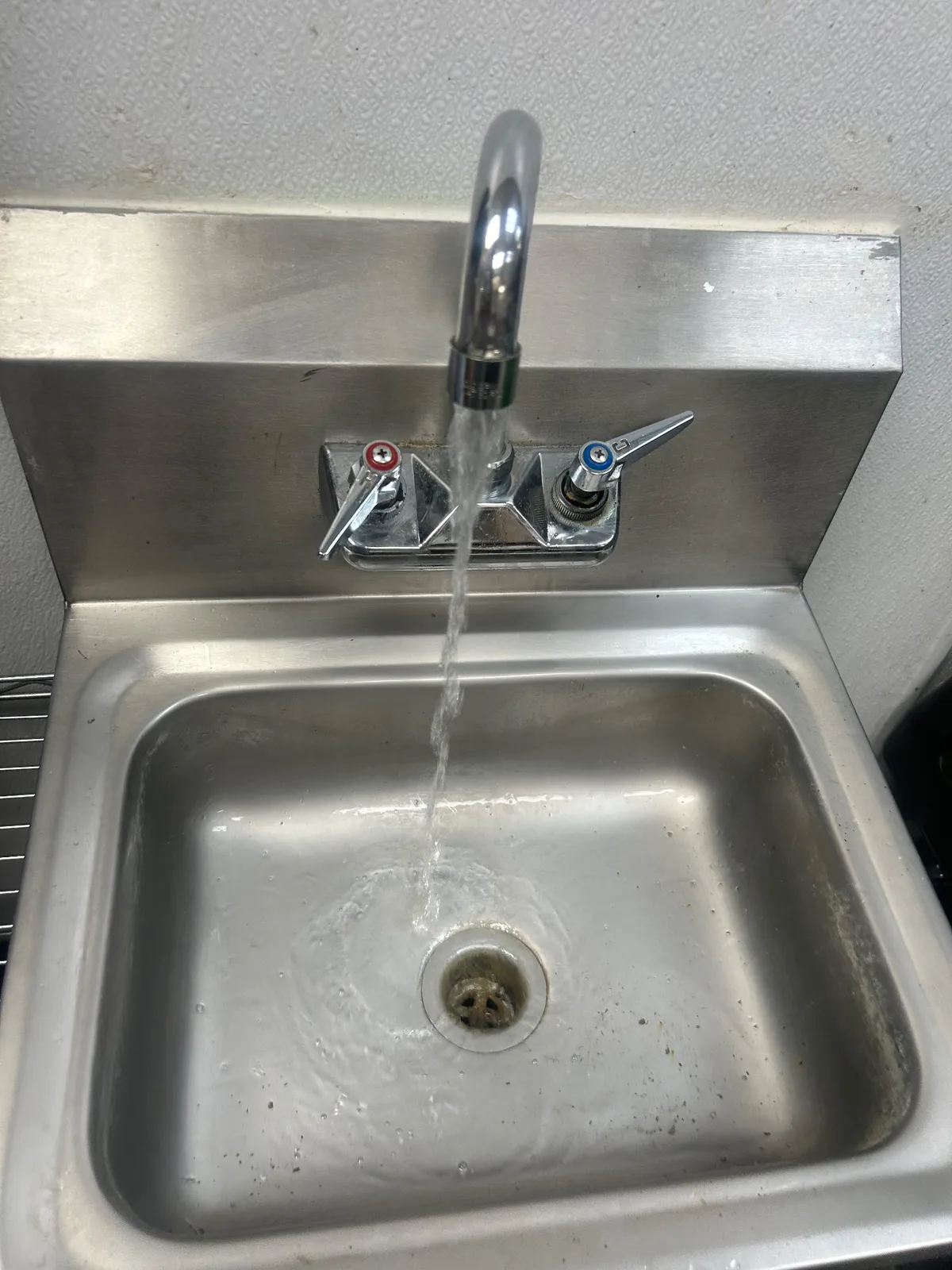
In the hand-sink job, the tech cleaned buildup from the faucet parts. The tech then tested it and found no drip. The note does not say a new faucet was put in.
Example two: identify which drains were serviced
In the NCRC fountain job, the tech set the pressure at one fountain. The tech also cleaned the lines and P-traps for both fountains and the shared drain. A new project team can use that note to ask which pipes and parts are in its plan.
Example three: separate a component repair from a new project scope
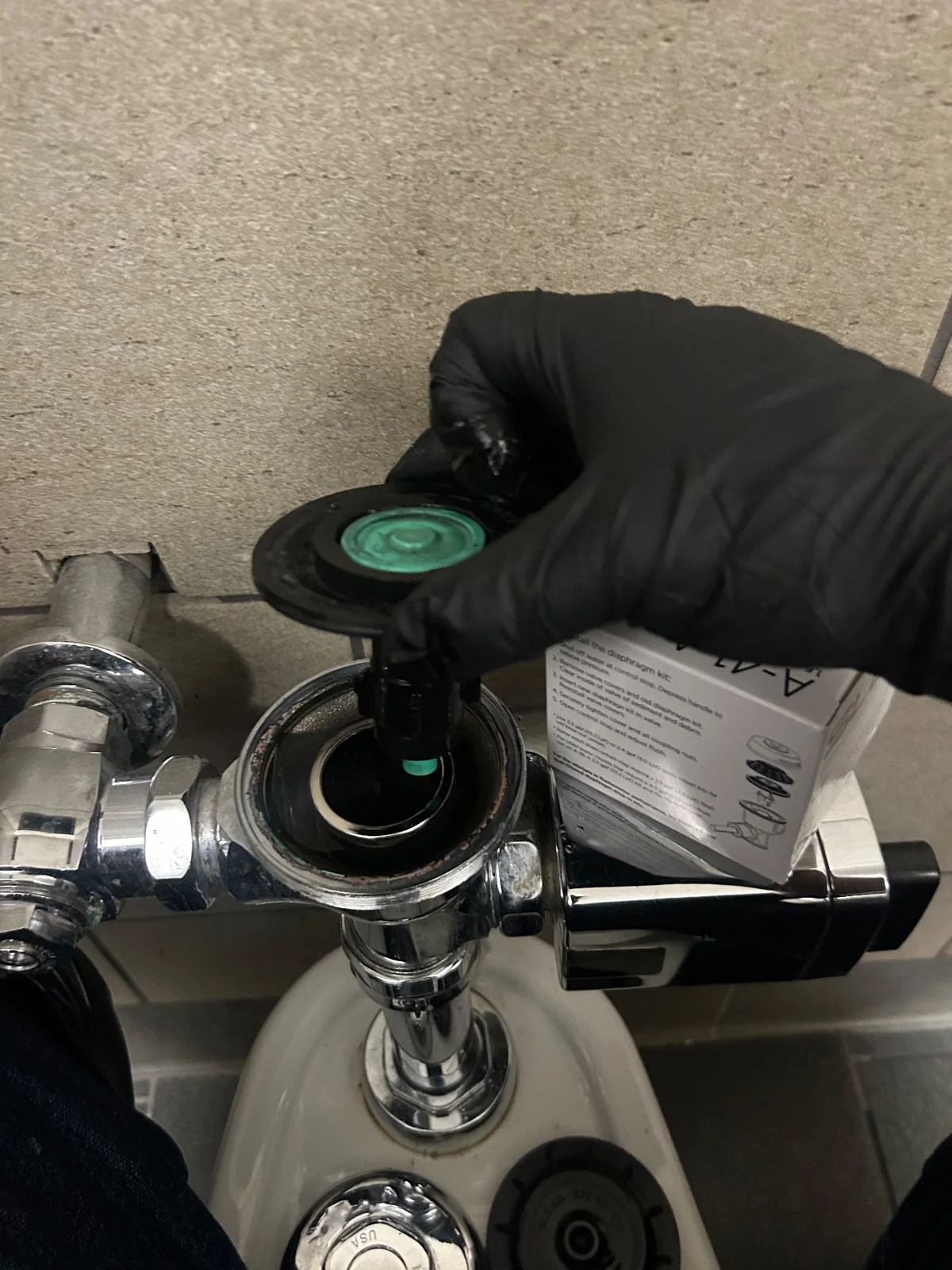
In the NCRC toilet job, a tech found a worn part in the flush valve. It is called a diaphragm. On October 15, 2026, the tech put in the same kind of part. The note says the toilet then flushed right and stopped running. Management saw the result. This was a part repair, not a new toilet.
The note tells us what was done that day. It does not tell us the state of each fixture today. It also does not approve a new layout. The project team must check the site and the current plans.
A tenant-improvement scope decision sheet
Keep two columns: what we know from the old job, and what the new plan calls for. Do this before a bid or scope talk.
| Known service fact | Project question to resolve | Record the answer in |
|---|---|---|
| An existing diaphragm was replaced. | Does the proposed work retain that valve and fixture, or replace them? | The fixture schedule and scope clarification. |
| The technician reported proper flushing at checkout. | What current condition checks and project-specific testing are needed? | The dated field review and agreed testing scope. |
| The repair addressed one reported fixture. | Which other fixtures, supply connections and drains are actually included? | A marked plan and explicit inclusions and exclusions. |
| The job was ready for billing when reviewed. | Which past service records are relevant, and who supplies them? | The handoff document list; keep commercial terms private. |
Write down the question for the project team. Use the scope question log to track who will check it and what was agreed.
Carry facts into the project brief
Keep old service notes beside the current plans and site checks. A past repair is useful history. The new work still needs its own review.
| Keep from the service record | Ask during project review |
|---|---|
| Fixture or equipment identified | Is this the same fixture included in the proposed work? |
| Components cleaned or replaced | What existing equipment is intended to remain? |
| Drain lines or connections addressed | Where does the new scope meet the existing system? |
| Test result and visit date | What current observation or review is still needed? |
Let the operating record support the handoff
IQ holds the requests, visits, notes, photos and sign-offs. This IQ guide follows the field work and the billing step in the fountain job.
MasterlineIQ (MIQ) was built by Tim Yslava. The toilet job in IQ runs from the request to the visit and repair note. It was ready to bill when checked. An invoice or payment was not proved. Techs did the repairs. The notes help the next person check the work.
Take this history into the handoff from the project team to the service team. It helps them ask good questions. It does not set the scope of a new build.
Bring these items into the next project discussion
- The current project location, plans, intended changes and schedule.
- Relevant dated service notes and photographs for the affected fixtures.
- Clear questions about what stays, what changes and who reviews the interface.
For project work, see commercial plumbing construction or tenant-improvement plumbing. For a repair now, start with Masterline Facilities.
Based on the linked service cases and their saved work-order records. Customer names, exact locations and commercial terms are omitted.